Review: Roadblock Icons for Local Business Branding
As a brand designer with years of experience in small business and local brand projects, I often look for graphic design assets that can elevate a brand’s visual presence without overwhelming it. Roadblock Icons stood out as a simple and clean icon design that offers versatility across multiple applications. From packaging design to social media graphics, these icons have the potential to enhance a brand’s identity while maintaining a professional and cohesive look.
The First Impression: A Modern, Friendly Visual Language
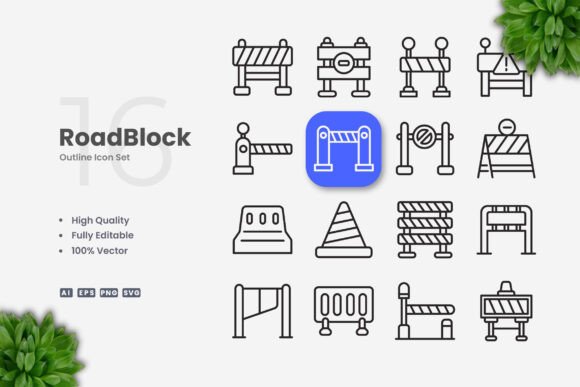
Upon first glance, Roadblock Icons exude a modern and approachable vibe. The design is minimalist yet effective, making it ideal for brands that want to communicate clarity and simplicity. This style works well for small business branding, especially for handmade businesses, boutique stores, and food-related ventures like bakeries or coffee shops. The icons feel friendly and accessible, which aligns with the personality of many local businesses looking to build trust and connection with their customers.
The clean lines and balanced proportions suggest a sense of professionalism without being overly formal. This makes Roadblock Icons suitable for both casual and semi-formal brand identities. Whether used in product labels, packaging design, or digital marketing visuals, they maintain a consistent aesthetic that supports a strong brand identity.
Real-World Applications for Small Business Design
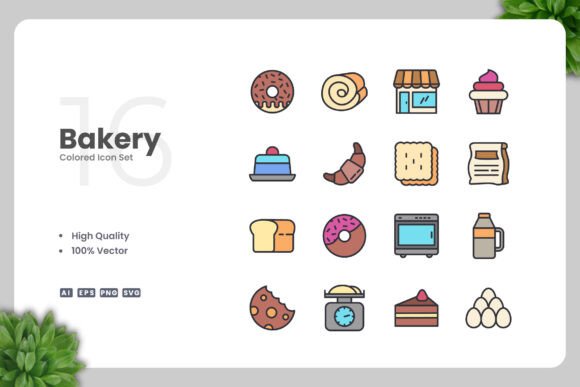
One of the most appealing aspects of Roadblock Icons is their adaptability. They can be used in a wide range of design scenarios, from logo design to promotional materials. For example, a bakery might use these icons to create a menu graphic or a set of printable inserts for their packaging. A skincare brand could incorporate them into product labels or social media graphics to reinforce a clean and natural brand image.
In packaging design, Roadblock Icons can serve as accents on product boxes, hang tags, or thank-you cards. Their simplicity allows them to stand out without competing with other design elements. For a handmade soap business, these icons could be used to highlight key ingredients or product benefits on label designs, improving product recognition and customer understanding.
They also work well in digital spaces. As a graphic design asset, Roadblock Icons can be resized, recolored, or adjusted for stroke weight to fit different platforms. Whether used in web design, Canva templates, or social media graphics, they offer flexibility without sacrificing quality.
Supporting Business Presentation and Customer Trust
When integrated thoughtfully, Roadblock Icons can significantly improve a brand’s presentation. They contribute to stronger first impressions by adding visual interest without clutter. This is particularly important for small businesses that need to make an immediate impact on shelves or in online storefronts.
A well-designed product label with these icons can increase product recognition, helping customers identify a brand quickly among competitors. In packaging design, they support clearer visual hierarchy, ensuring that essential information remains legible while decorative elements enhance the overall appeal.
For a local business, this level of polish can translate into improved customer trust. Professional branding and consistent visual elements signal reliability and attention to detail, which are crucial for building a loyal customer base.
Where Roadblock Icons Shine
Roadblock Icons excel in situations where a subtle yet effective visual element is needed. They work best as product labels, packaging accents, or hero graphics on banners and posters. For seasonal campaigns, these icons can add a touch of creativity without overshadowing the main message.
Boutique visuals, such as those used in home decor shops or children’s product brands, benefit from the clean and modern style of Roadblock Icons. They also serve well in social media campaign graphics, where consistency and clarity are key to engaging audiences.
Where to Use with Caution
While Roadblock Icons are versatile, there are certain contexts where they may not be the best choice. In formal corporate branding, their simplicity might not convey the sophistication required for high-end or traditional industries. Similarly, they may not be ideal for very small labels or crowded product packaging where space is limited.
On low-contrast backgrounds or in layouts with a lot of text, these icons could become difficult to see. Luxury minimalist brands may also find that the design feels too busy compared to their aesthetic. It’s important to test them in real-world scenarios before finalizing any design project.
Practical Designer Notes for Real Projects
Before using Roadblock Icons for client work or physical product sales, I recommend testing them on real packaging mockups. Check how they look in black and white, as well as with your brand colors. Preview them on small labels to ensure visibility and readability.
It’s also wise to compare them with competitor packaging to avoid visual similarities. Test print quality to ensure the design translates well to physical materials. Review PNG transparency and inspect SVG or vector editability if you plan to make custom adjustments.
Finally, always confirm the commercial license to ensure the asset is suitable for your intended use. Roadblock Icons should be used as part of a broader design strategy, complementing other elements like typography and color schemes.
Conclusion: A Valuable Asset for Local Business Branding
Roadblock Icons are a solid addition to any designer’s toolkit, especially for small business branding, product labeling, and promotional visuals. Their simple and clean design makes them adaptable across various applications, from packaging design to digital marketing materials.
By integrating these icons thoughtfully, local businesses can enhance their visual identity, improve customer engagement, and create a more polished brand presence. Whether used in a handmade soap label or a seasonal social media campaign, Roadblock Icons offer practical value for real-world design projects.